

Around 4 in 5 Victorian homes are connected to gas.1

82% of Victorian voters agree households should be free to choose whether they use gas or electricity.2
Sources:
1State Electricity Commission, June 2025
2JWS Research, July 2026.
From heating homes and preparing meals to supporting local businesses and major manufacturers, natural gas plays an important role across Victoria.
Keeping natural gas available gives Victorian households and businesses greater choice while helping provide the energy needed to support jobs, industry and essential products.
Developing Victoria’s own natural gas resources could also reduce the state’s reliance on interstate supply, support local jobs and strengthen energy security.
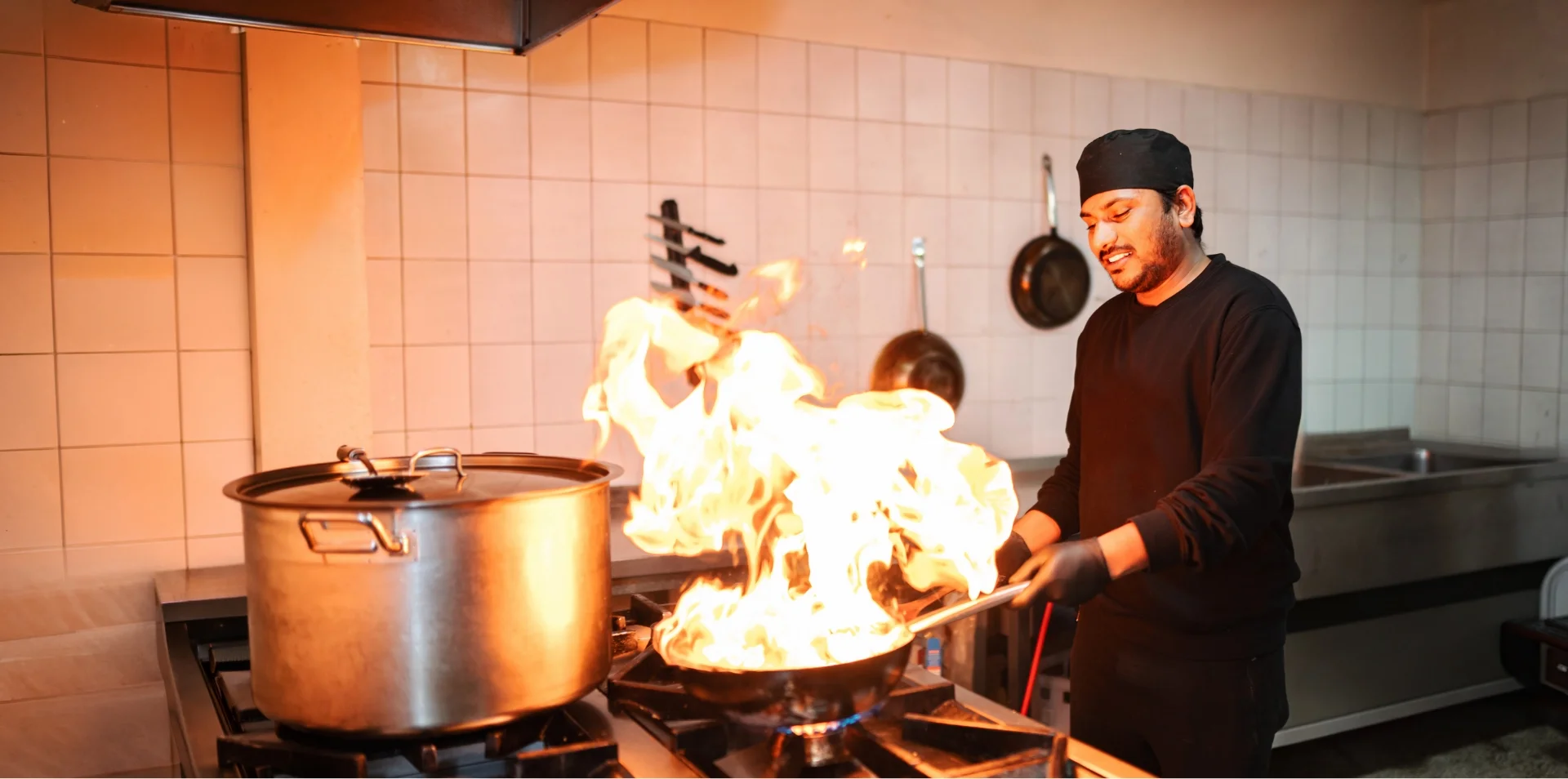
Natural gas provides heating, hot water and cooking in homes across Victoria, but its role extends far beyond the home.
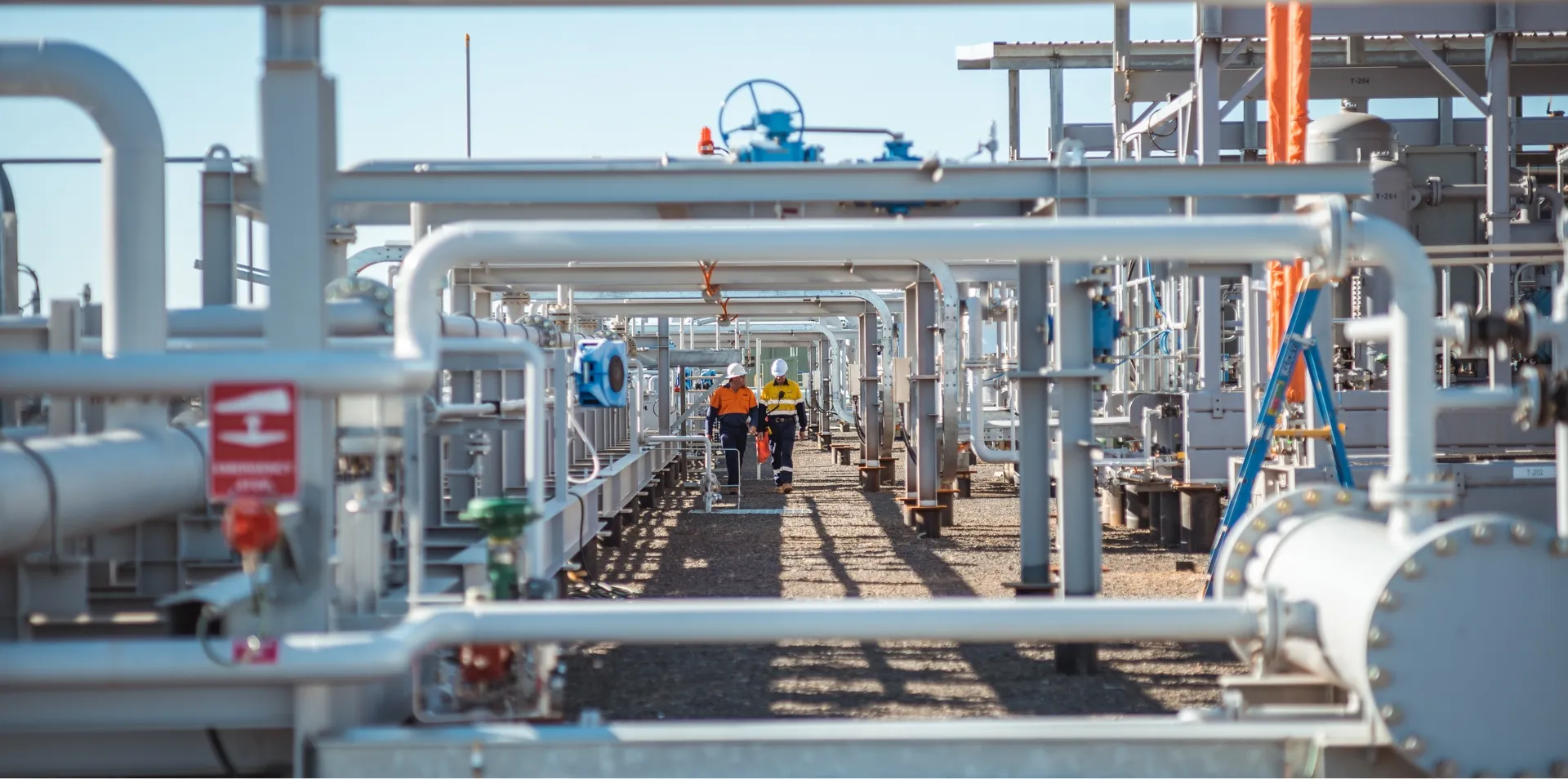
It supplies the heat and energy needed by many restaurants, commercial operations and manufacturers producing essential products Victorians use every day.
More than 2 million Victorian homes and businesses use natural gas, and keeping it available means Victorians can continue choosing the energy options that suit their needs and circumstances.3
Source: 3Australian Energy Regulator, May 2026
 Home
Home
Many Victorian homes use natural gas for cooking, heating and hot water
 Local businesses
Many restaurants and other businesses use natural gas as part of their everyday operations.
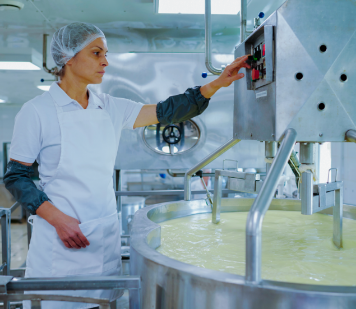 Manufacturing
Natural gas can provide essential heat and energy for manufacturing products Victorians rely on.
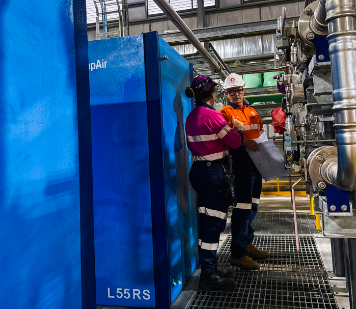 Jobs and communities
The industry supports Victorian workers, local suppliers and economic activity across the state.
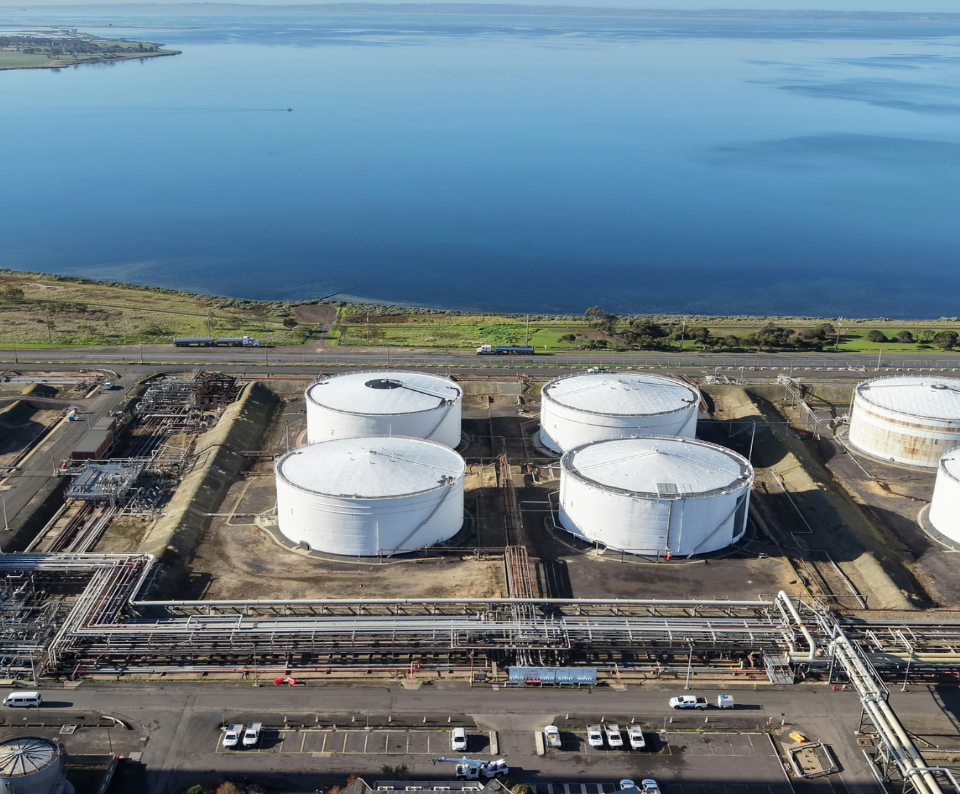
Victoria is facing future gas supply pressures as production from existing fields declines.4
The state is forecast to rely increasingly on interstate gas to help meet demand.
Responsibly developing new gas resources in Victoria could strengthen local supply, reduce reliance on gas transported over long distances and support greater energy security.
75% of Victorians support developing the state’s own natural gas resources.2
Victoria should not face future supply shortages while potential new local resources remain undeveloped.
Sources:
2JWS Research, July 2026
4Australian Energy Market Operator, Gas Statement of Opportunities, March 2026
Victorian households and businesses deserve a say in the energy choices ahead. Tell us what you think.
Many Victorian homes use natural gas for cooking, heating and hot water.1 It also provides essential energy for many businesses and manufacturers across the state.
Source: 1State Electricity Commission, June 2025
More than 2 million Victorian homes use natural gas for cooking, heating and hot water – that’s around four in every five homes across the state.
Source: Australian Energy Regulator, May 2026
Research found that:
Source: JWS Research, July 2026.
Yes. The industry supports more than 40,000 Victorian jobs and contributes around $22 billion to the state’s economy each year.
Source: KPMG, Economic contribution of the gas industry, February 2025.
Victoria is facing gas shortfalls during peak demand periods from 2029, and will rely increasingly on gas transported from Queensland unless new gas supply is produced locally. Developing local resources can help strengthen supply and support Victorian jobs and investment.
Source: Australian Energy Market Operator, Gas Statement of Opportunities 2026, March 2026.
The campaign is calling for natural gas to remain an option for Victorian households and businesses, so they can choose the energy that best meets their needs. It also highlights the need for Victoria to develop its abundant gas resources to secure the state’s long-term energy needs.
Natural gas is the main source of energy for Australian manufacturing, providing around 37% of the sector’s energy needs. Many manufacturers use natural gas to produce the high-temperature heat required to make food, building materials and other essential products used across Victoria.
Source: Department of Climate Change, Energy, the Environment and Water, Australian Energy Statistics, 2026.
Take the poll, share the campaign and contact your local MP.